
Prioritizing Risk to Build a Smarter Pheromone Monitoring Program

By Tom Mueller, CEO of Insects Limited. Inc.
Pheromone monitoring should be a foundation of stored product insect management in food facilities. Without it as the basis of your pest control program feeding you trending data, how do you know if the mitigation practices you are implementing are working?
You don’t. An effective pheromone monitoring program begins with one foundational principle:
Not all areas in a facility pose the same risk.
Whether you operate a food processing plant, distribution warehouse, grocery store or even manage residential concerns, monitoring success (leading to pest mitigation success) depends on how good you are at locating high-risk zone first, then strategically monitoring the moderate-risk areas to understand stored product insect movement and migration.
High-Risk Areas for Stored Product Insects in Food Processing Facilities
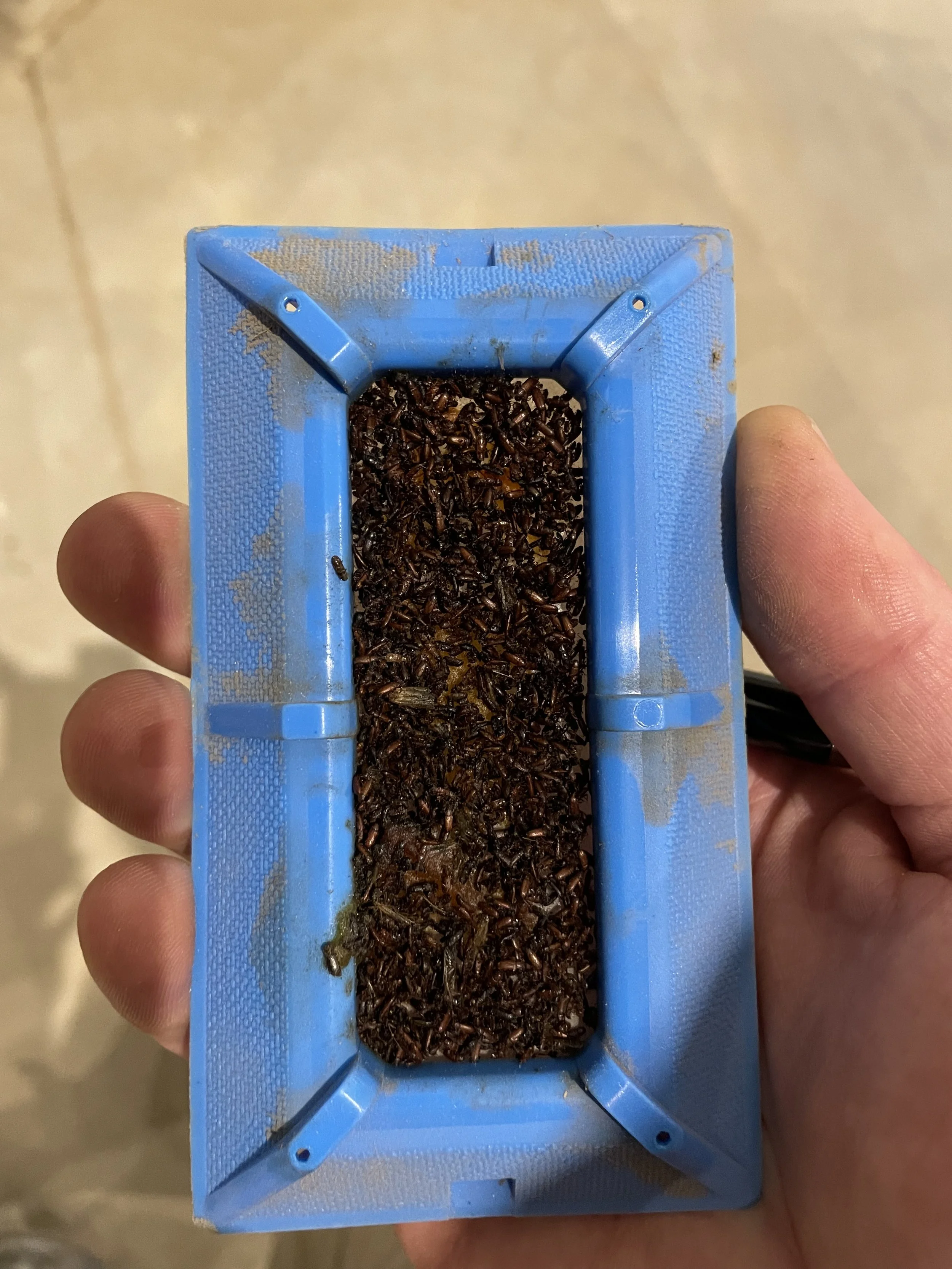
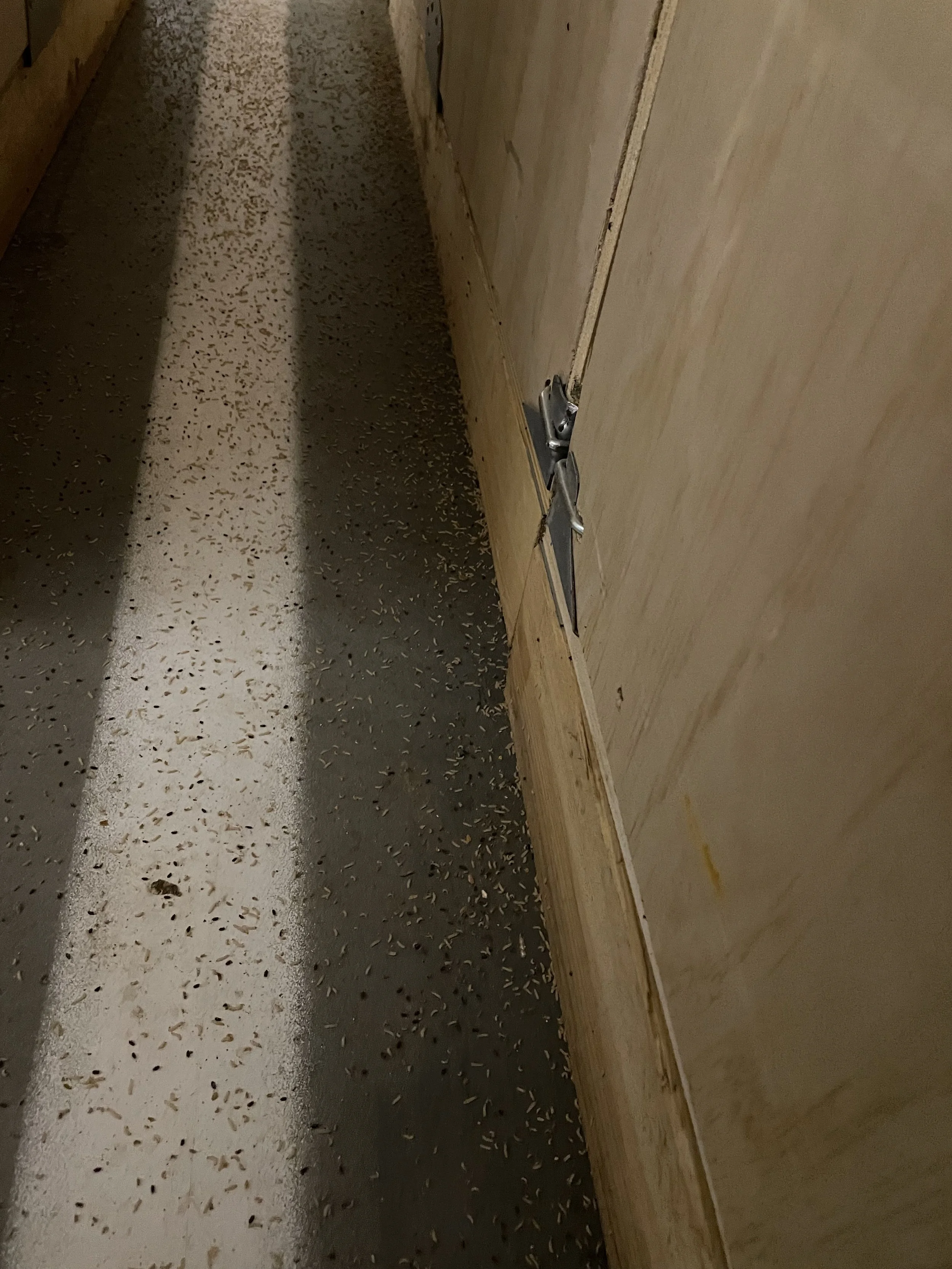
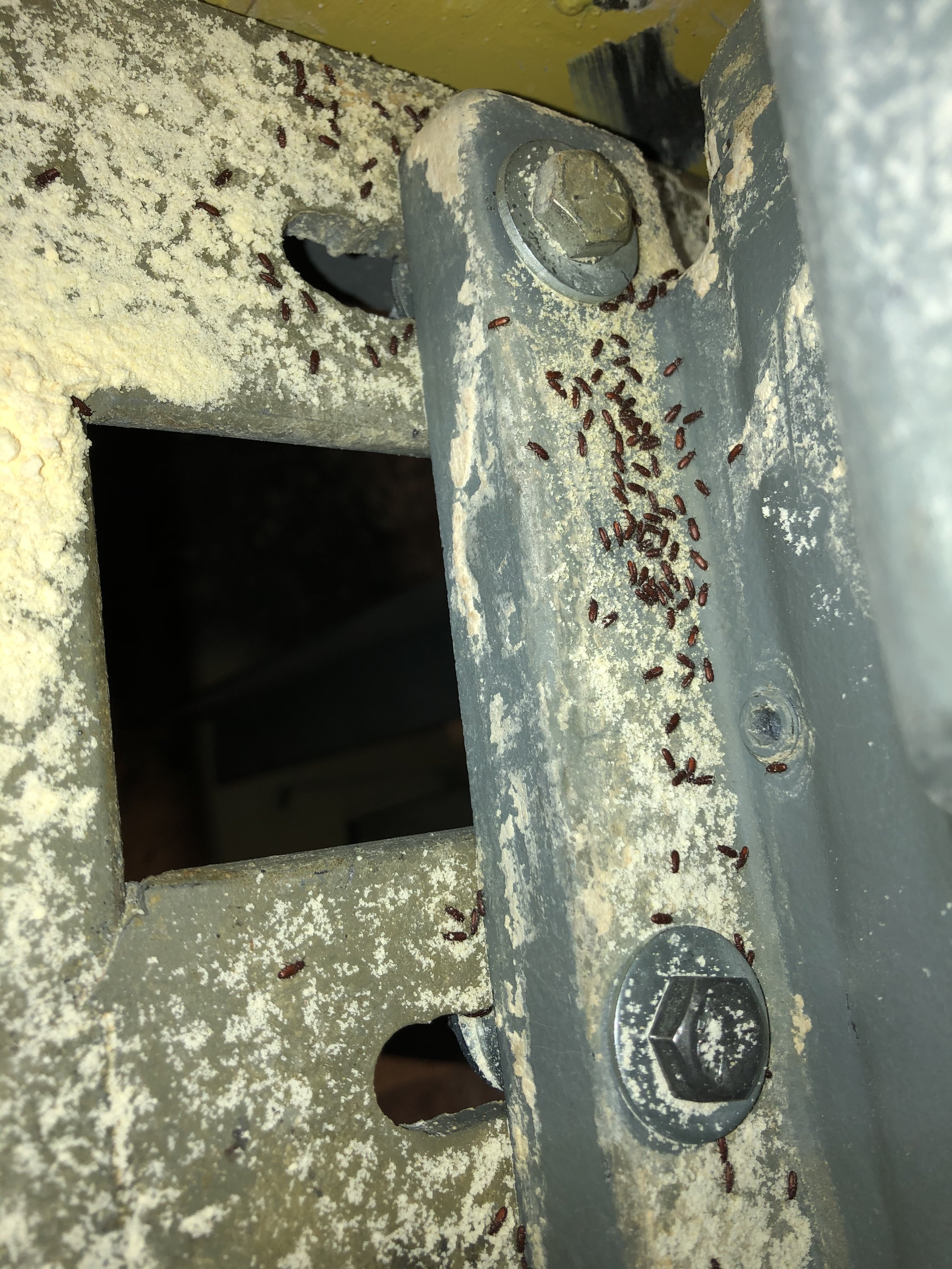
In food processing facilities, the highest-risk areas are repeat offenders. Find the raw ingredient storage, ingredient staging rooms, and voids in equipment where dust and food debris build. You show me those areas, and I will show you stored product insect conducive conditions. Other areas include open or semi-open packaging, spillage, and undisturbed food products. Find where more than one of these conditions is present,
and I can almost guarantee the presence of stored product insects. All food facilities have these areas. These are the areas that should receive the greatest density of monitors and should be reviewed and inspected most consistently.
Moderate-Risk Areas Still Require Strategic Pheromone Monitoring
Moderate-risk areas such as packaging material storage, finished goods holding areas, and receiving transfer points should not be ignored. While they may not support active breeding as frequently, they will often serve as areas of introduction or migration.
Monitoring these areas helps detect movement early and prevents one off issues from becoming bigger problems. Pheromone monitoring is an early warning system.
A Real-World Example from a Food Distribution Facility
I was reminded of this during an inspection at a large food distribution facility. I had been called in to evaluate a Rice weevil concern. The facility had pheromone monitors in place, but only for that species.
As I walked through the racking, something not unusual happened. I was basically attacked by Ephestia, a food infesting moth. They started flying all around me. I joke that because I work with pheromones every day…basically manufacture them, I have become a pheromone lure myself.
How a Damaged Package Led to a Hidden Moth Infestation
I turned and saw them emerging from a box one rack level up. Someone had used a box cutter to open a case and accidentally sliced into the product inside. The damaged package had likely been sitting undisturbed long enough to develop a significant infestation.
The moths had clearly spread throughout the facility, but because there were no food moth pheromone monitors in place, the issue had gone undetected.
Pheromone Monitoring in Distribution Warehouses and Grocery Stores
Risk prioritization does not stop at food processing facilities. Distribution warehouses and grocery stores also require structured pheromone monitoring programs.
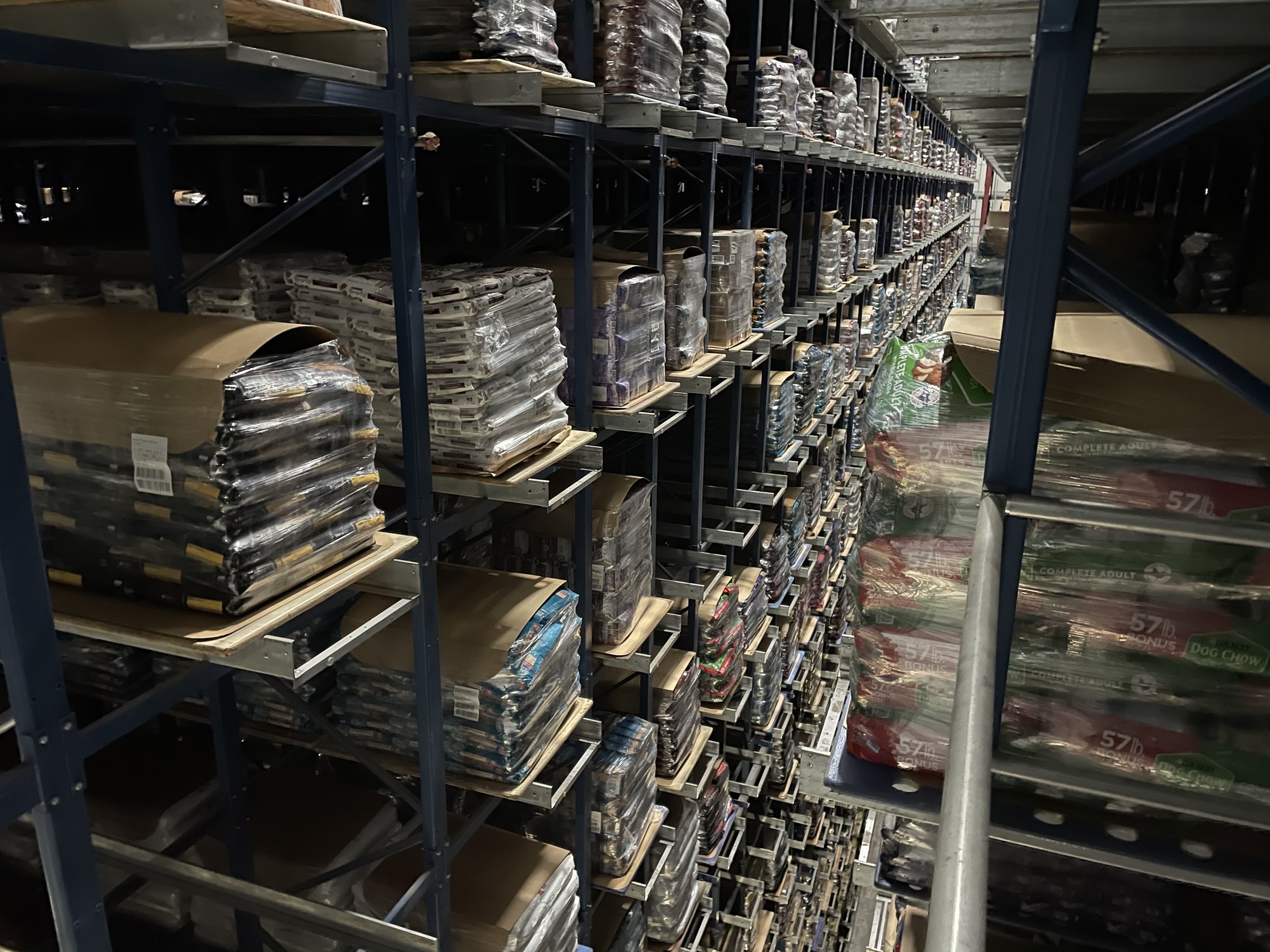
High-Risk Areas in Warehouses and Retail Environments:
Bulk product storage
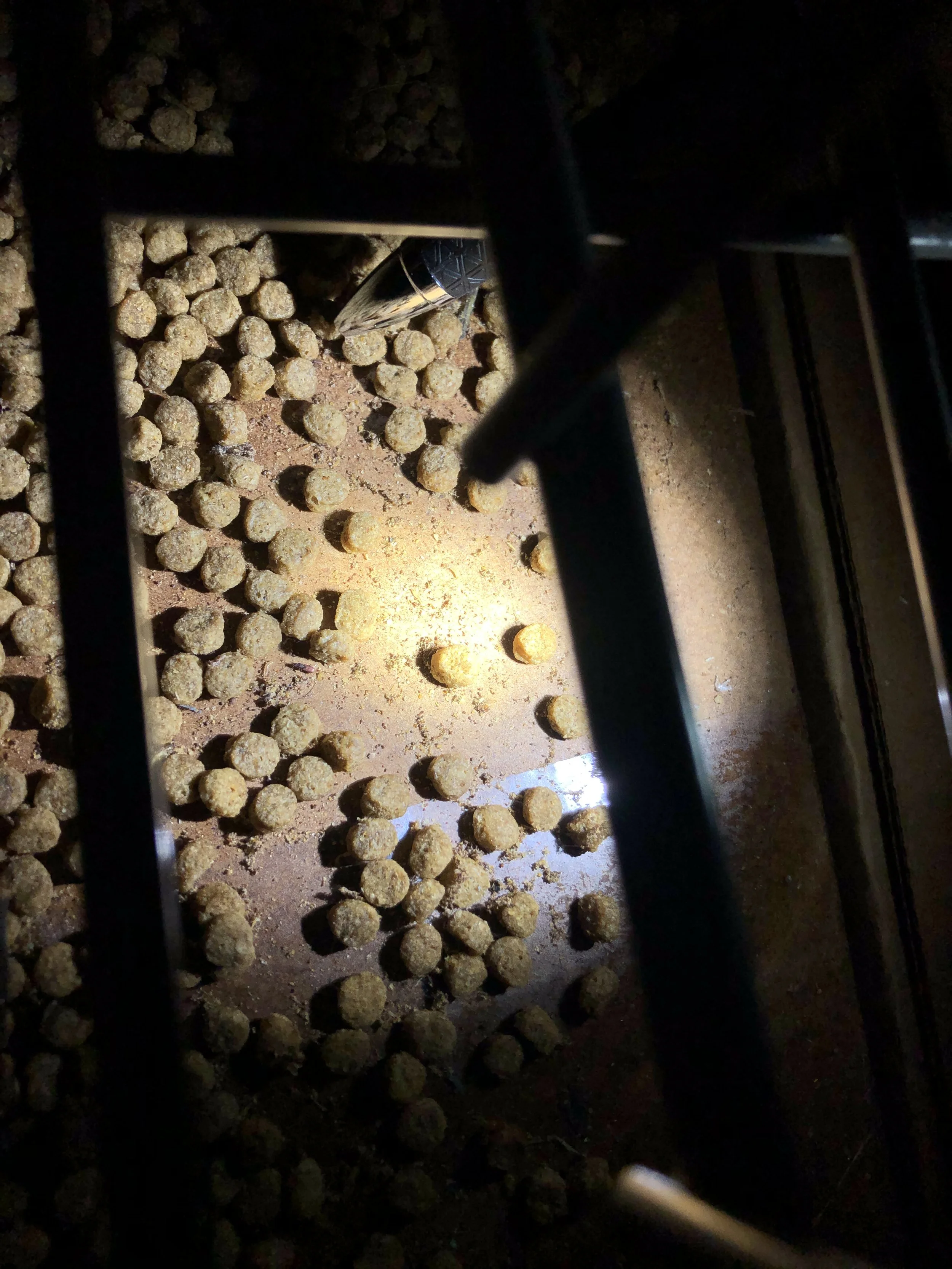
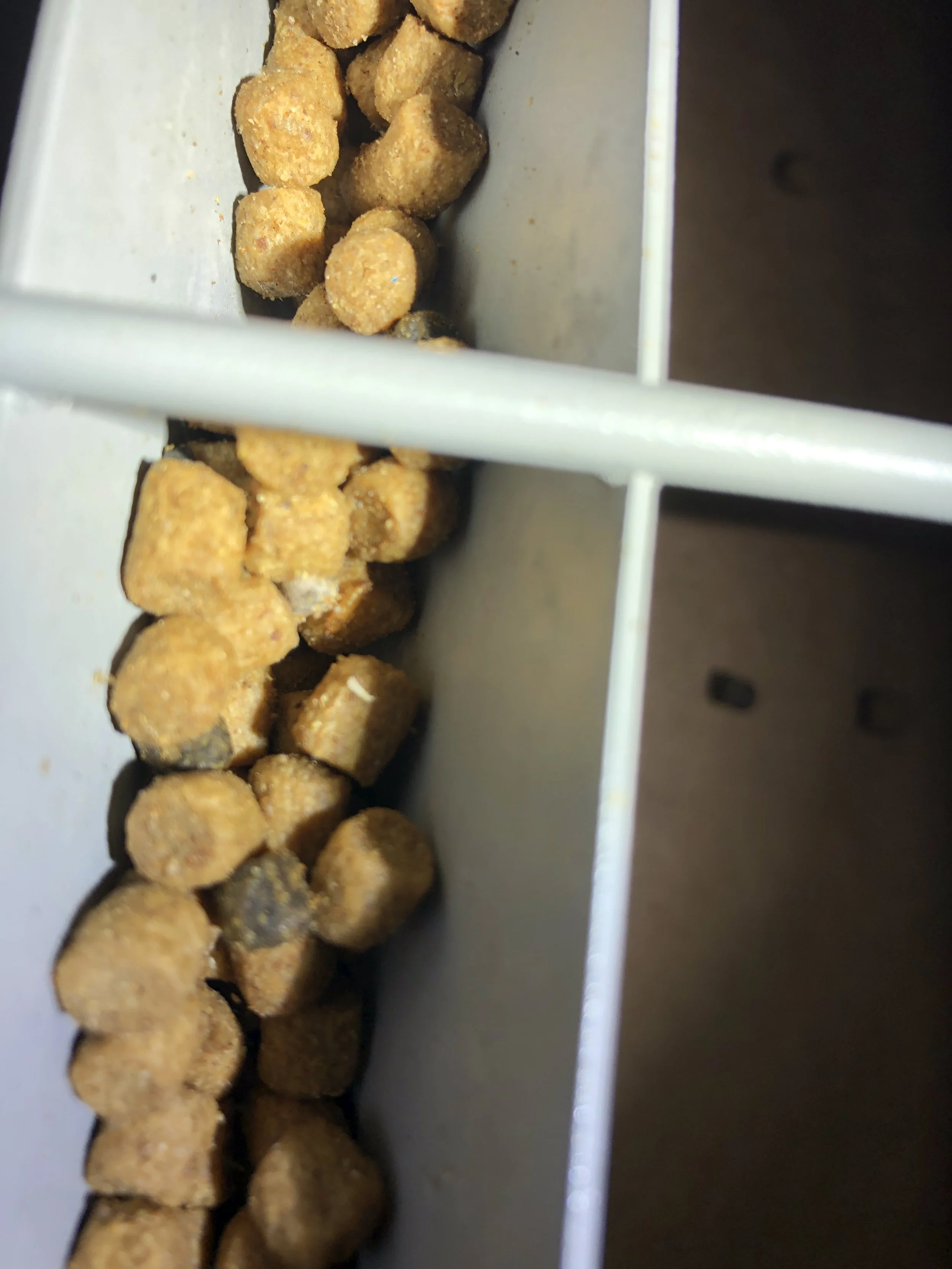
Pet food and bird seed
Backroom dry storage
Returns and damaged goods
Moderate-Risk Areas That Provide Valuable Trending Data:
Dock lanes
Seasonal displays
Cereal and pasta aisles
Monitoring both priority and moderate-risk areas ensures early detection and prevents infestation spread throughout the facility.
Two Critical Lessons for Stored Product Insect Management
My experience with the Almond moths reinforces two lessons:
1. Always prioritize high-risk areas.
Bulk storage, pet food, damaged goods, and undisturbed food debris buildup must receive the highest monitor density and most consistent inspection.
2. Facilities rarely face just one pest species.
Incorporating multi-species pheromone monitors in both high-risk and moderate-risk areas provides broader detection, reduces long-term costs, and increases the likelihood of identifying emerging issues early.
Effective Pheromone Monitoring Is About Risk, Not Blanket Coverage
Effective monitoring is not just about placing traps everywhere. It is about:
Prioritizing risk
Interpreting trend data over time
Monitoring for multiple stored product insect species
Aligning your program with real-world pest diversity
Be on the lookout for an article about a surprisingly overlooked low-risk area where stored produce insect problems can begin.
Hint: it might be the desk in your office!
Insects Limited, an Insect Pheromone Company
Insects Limited, Inc. researches, tests, develops, manufactures and distributes pheromones and trapping systems for insects in a global marketplace. The highly qualified staff also can assist with consultation, areas of expert witness, training presentations and grant writing.
Insects Limited, Inc. specializes in a unique niche of pest control that provides mainstream products and services to protect stored food, grain, museum collections, tobacco, timber and fiber worldwide. Please take some time to view these products and services in our web store.
