
Sightings and Systems: How Sampling Methods Change the Way we Observe and Interpret the Greater Indoor Arthropod Landscape

By Samantha Kiever, Research Entomologist, Insects Limited, Inc.
Anyone who has utilized any form of sticky trap or species-specific pheromone monitor has seen some random unexpected critters they weren’t expecting when assessing their catches. This phenomenon is typical and very much expected for professionals but is often a shock for many homeowners. That disconnect points to a larger reality: arthropod presence in human-made structures is not unusual, and our understanding of it is heavily shaped by the way we choose to observe it. The truth is, our homes are habitats that we built to maximize our own comfort. In doing so, we have inadvertently created a year-round oasis with beacons and flashing “vacancy” signs welcoming all matter of arthropods in. Whether or not the amenities are suitable are a whole other question entirely, but that’s for the lucky (or unlucky) arthropod to discover upon entry. The bottom line is that arthropod presence in human-made structures is the rule, not the exception. So, who exactly is lurking about? Surprise, surprise, the crew is larger and more diverse than you think, though what you find is heavily influenced by how you go about looking.
Taking Inventory of the Ecosystem
One method of sampling arthropods indoors is simple: a flashlight, some simple tools, and your handydandy eyeballs. A 2016 study set out to do exactly that. The authors of Arthropods of the great indoors: characterizing diversity inside urban and suburban homes” and their colleagues descended on 50 houses with many trained eyes between them and a variety of collection devices from tweezers to aspirators and combed each of the structures for every arthropod specimen they could find.
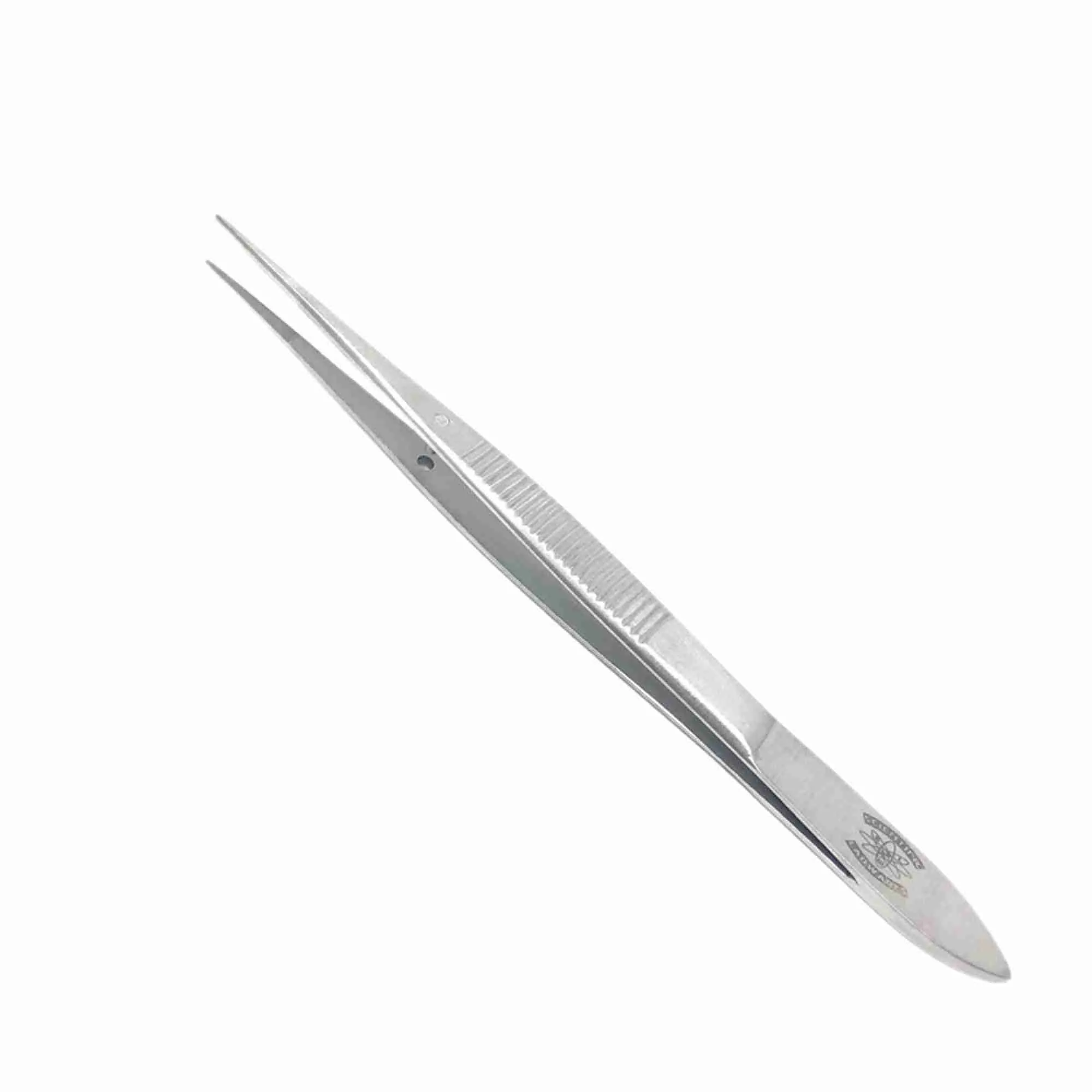
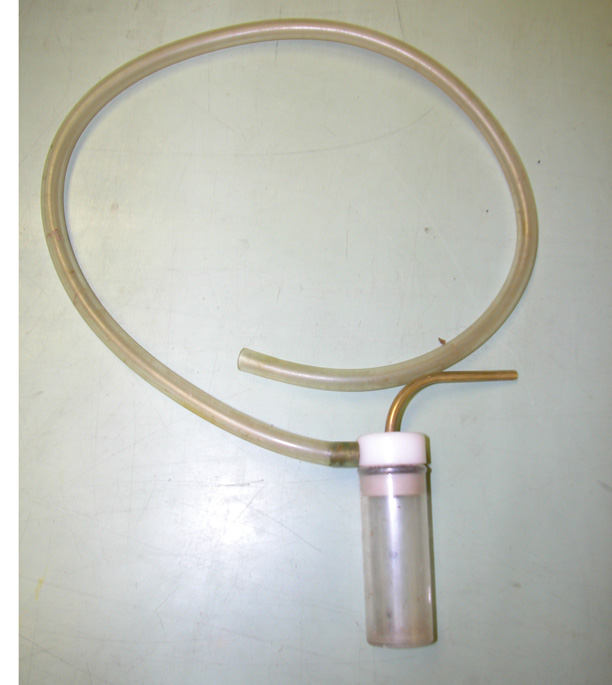
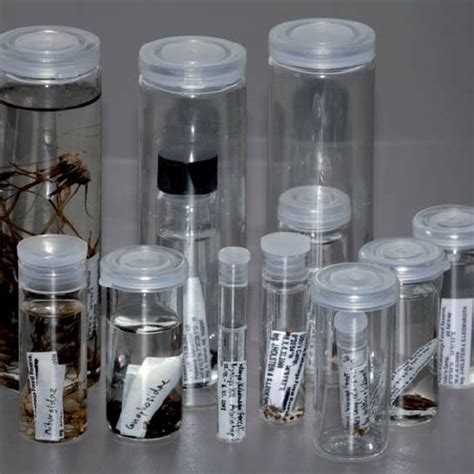
They categorized all of their findings down to family and grouped within the rooms they were found in. The group viewed the home holistically as an ecosystem with little niches and microhabitats worth exploring, which, as an approach, is valuable not only from an ecological perspective but a management one as well.
The researchers documented an extremely rich and diverse indoor fauna in which there were representatives of every major arthropod lineage. Even more surprisingly, single homes contained dozens of families and up to or exceeding one hundred morphospecies. Notably, carpet beetles were detected in 100% of the homes surveyed, despite being absent from most occupants’ mental list of “household insects.” Flies, beetles, spiders, and Hymenopterans (ants, bees, and wasps, though in this case mostly ants) made up the bulk of this diversity, but many of the most frequently encountered arthropods were neither well-known nor commonly regarded as pests. Gall midges, book lice, fungus gnats, and other small-bodied taxa were nearly ubiquitous, despite being largely invisible to occupants.
Perhaps more striking was what the researchers did not find in abundance: your average household pests such as German cockroaches, bed bugs, fleas, and termites, which were only present in a minority of households or entirely unobserved in the 50 houses sampled. Instead, most indoor arthropods appeared to be either benign synanthropes or accidental entrants filtered from the surrounding landscape by way of light attraction or apparent shelter.
Most of the arthropods sampled, by virtue of not being synanthropic and generally reliant on the outdoor landscape to thrive, never establish breeding populations indoors. From this perspective, arthropod diversity indoors is seemingly high; however, density is low, which explains the common assumption, “I don’t have bugs in my house. I’m very clean!” despite the apparent speciosity of the arthropod landscape indoors.
One of the pieces of advice I give out most often after folks discover an insect pest is to not go searching too hard for individuals because if you go searching with a magnifying glass and a flashlight on your hands and knees, you’re bound to find more than you bargained for, even if the species you find are not a threat to health, material, or property. While hand-picking specimens in the environment is useful in certain situations, it introduces a sampling bias that leans towards “seemingly problematic.”
Monitoring Passively
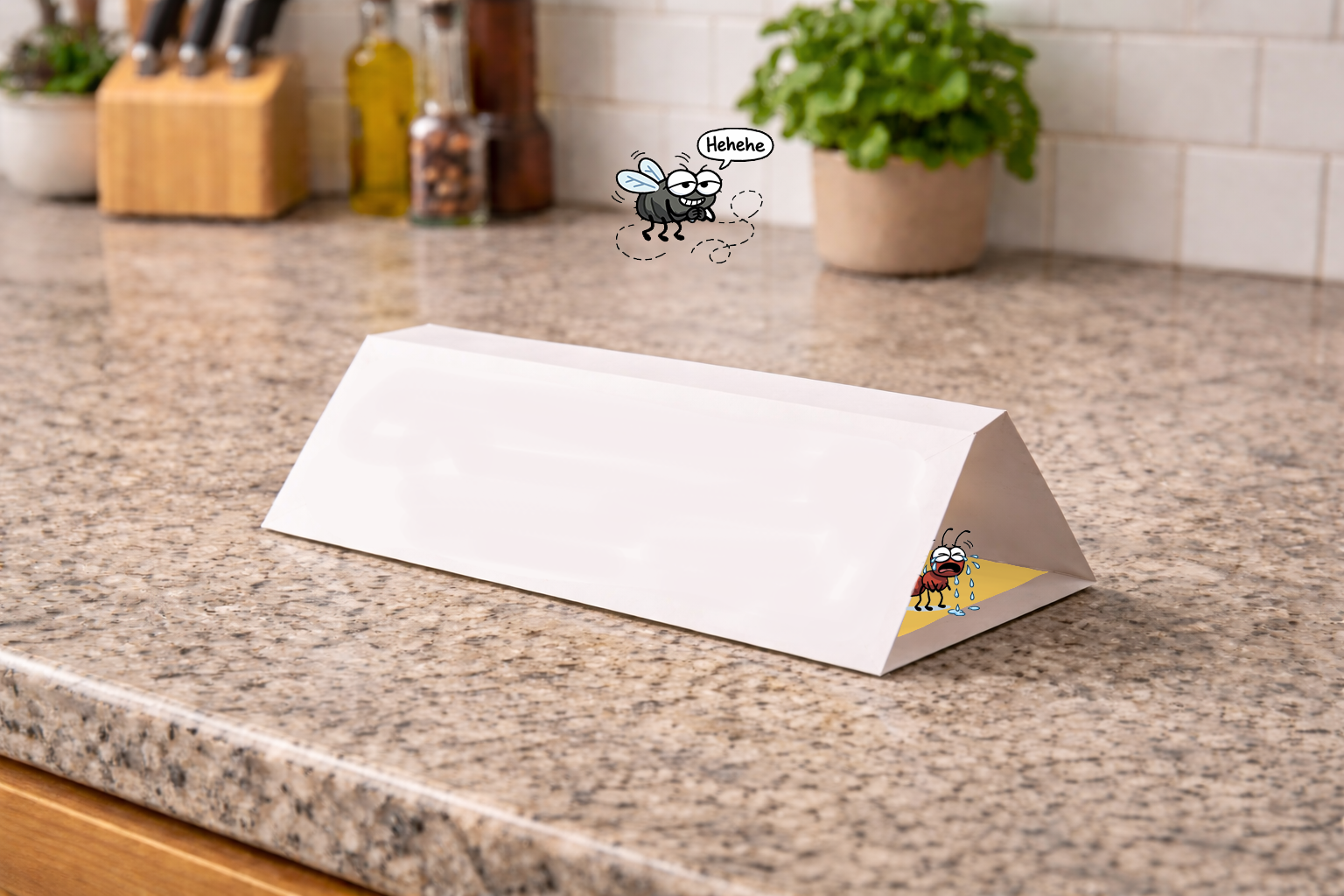
A very different view of the indoor arthropod community emerges when sampling shifts from active searching to passive interception. Sticky traps, the backbone of early detection and effective IPM strategies, preferentially capture arthropods that are mobile, surface-active, and prone to wandering, though their designs and attractive attributes can be modified to account for different behaviors such as flying.
A New Jersey apartment study, “Diversity and prevalence of nuisance arthropods detected by sticky traps in apartments in New Jersey” used sticky traps reflected a different kind of sampling bias that can occur depending on how a monitoring program is constructed. Rather than revealing a long list of rare and incidental taxa, captures were dominated by a smaller suite of familiar nuisance arthropods including ants, flies, cockroaches, and other species that regularly trigger complaints.
In this context, abundance replaces richness as the dominant signal. Arthropods that move frequently across floors and walls are far more likely to encounter traps, while species that remain tucked into cracks, ceilings, webs, or voids may go entirely undetected. Flying insects are also less likely to be caught at similar rates to those who crawl. As a result, the indoor community documents by traps appear simpler, more pest-heavy, and more immediately relevant to management decisions than the community revealed by whole-home inventories.
Two Views of the Same Space
Taken together, these studies are not in conflict; they are complementary. One demonstrates that homes host a broad and largely inconsequential assemblage of arthropods, while the other emphasizes the smaller subset that is most active, visible, and likely to be captured by unbaited monitoring tools.
From this perspective, the mere discovery of a singular insect indoors, whether in a trap or on a wall, isn’t meaningful on its own.
Most arthropods found in houses are transient, present singly or in very low numbers, and incapable of sustaining a population indoors. Treating every capture as evidence of a problem obscures the larger pattern and encourages reactions that may be bigger than the presence warrants.
Monitoring tools are most useful when they are used to establish context. Glue traps and pheromone monitors are well-suited for identifying trends over time, changes in activity, or the appearance of taxa that were previously absent. When those patterns begin to shift, direct observation becomes the next step. Actively sampling around a structure helps determine whether conditions exist that could actually support a population given the identified arthropod’s known life history, and it may also just reveal the location of the population entirely. Knowing both when and how to step back and view the house as a system and when to narrow focus to the small spaces an arthropod experiences day-to-day, is essential for assessing risk. Perspective, more than presence, is what turns observations into useful information.
Next article, I’m going to share with you real micro-habitats that have the potential to (or already are!) and how to shift our perspective from the very broad to a bugs-eye-view.
